20 November 2026
Statement
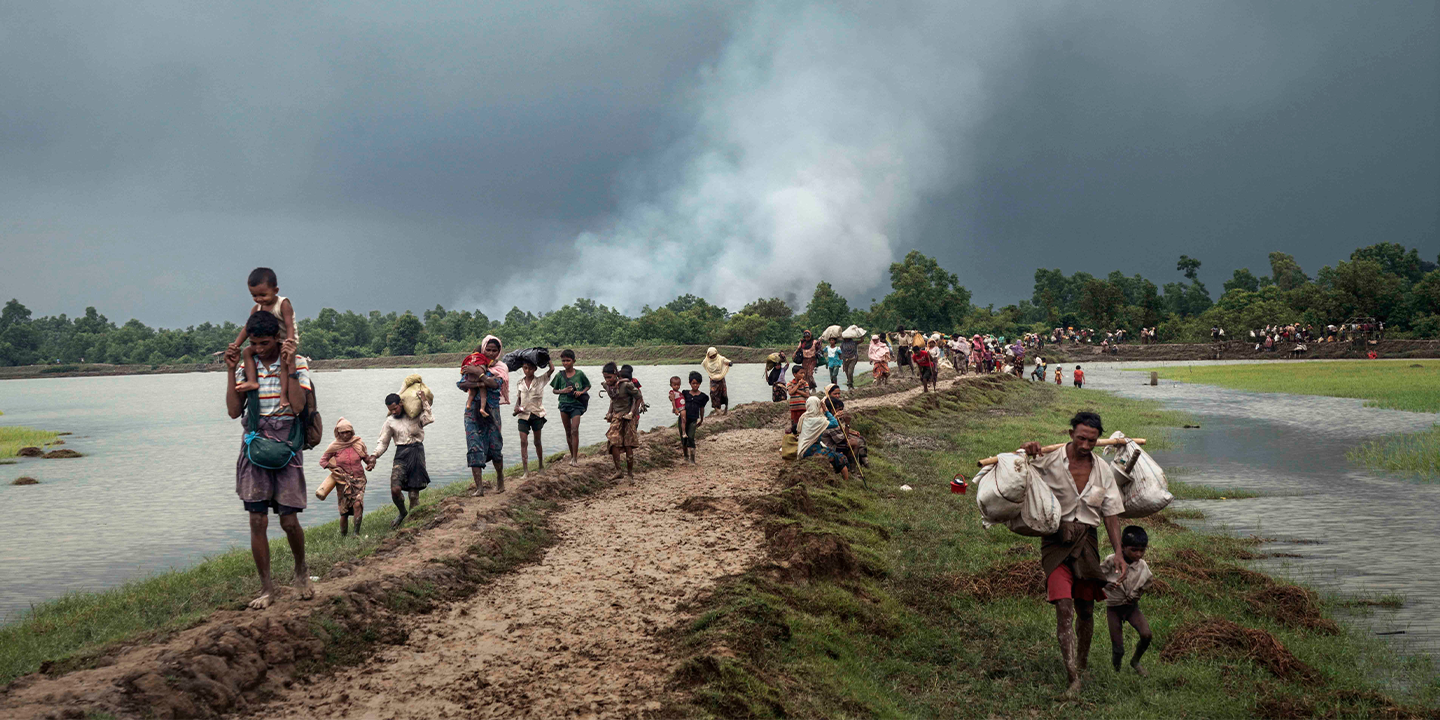
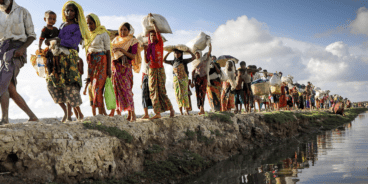
On 19 November the International Court of Justice (ICJ) delivered a landmark judgment in The Gambia v. Myanmar case, finding Myanmar responsible for committing genocide against the Rohingya during the military’s 2017 “clearance operations” in Rakhine State. The Court also found that Myanmar violated its obligations to prevent and punish genocide and failed to fully implement its January 2020 provisional measures order to preserve evidence of alleged genocidal acts. Myanmar has been ordered to investigate, and where warranted, prosecute and punish those responsible, as well as provide restitution and formal guarantees of non-repetition.
The historic judgment marks the first time the ICJ has found a state responsible for committing genocide and represents a significant milestone for Rohingya survivors who, alongside civil society, have tirelessly pursued justice. The ruling also advances international jurisprudence on the prevention of genocide, reaffirming that states can be held responsible for failing to prevent genocide even when genocide does not ultimately occur.
The judgment comes while the structural conditions that enabled the genocide persist, including entrenched discrimination and the denial of citizenship to the Rohingya. The same military that committed the genocide has continued to perpetrate widespread and systematic attacks against civilians and civilian infrastructure since seizing power in February 2021. In Rakhine State, where conflict since November 2023 has forced more than 150,000 Rohingya to flee to Bangladesh, the military and Arakan Army armed group continue to perpetrate grave abuses against the Rohingya. On 19 November Human Rights Watch warned that the military continues to perpetrate war crimes and the crimes against humanity of apartheid, persecution and deprivation of liberty against the Rohingya. Despite these risks, on 24 November Malaysia announced its intention to repatriate 6,500 Rohingya refugees to Myanmar.
States parties to the Genocide Convention should translate the judgment into concrete preventive action, including by severing military, financial and commercial relationships that facilitate atrocities and imposing coordinated sanctions targeting the military’s access to arms, aviation fuel and revenue. Regional governments must uphold the principle of non-refoulement and refrain from facilitating returns to Myanmar while conditions remain unsafe.
The Global Centre for the Responsibility to Protect’s Myanmar expert, Sarah Hunter, said, “The ICJ’s recognition of the genocide against the Rohingya must mark the beginning of a renewed international commitment to ending their persecution, not the culmination of efforts to secure justice for them. The true significance of this landmark judgment will ultimately be measured by whether it translates into meaningful protection, justice and the full realization of the rights of the Rohingya. The international community must press Myanmar to fully implement the Court’s binding judgment, dismantle the institutionalized system of discrimination and restore fundamental rights for the Rohingya. Rohingya survivors, particularly women, must be at the center of all reparations and accountability processes.”
On 14 November the National Elections Commission of South Sudan announced that elections scheduled for 22 December 2026 would be postponed until 11 February 2027. The announcement came on the day voter registration was due to begin. The Commission did not publicly explain the reasons for the postponement, but persistent concerns over insecurity, inadequate funding and limited institutional preparedness have raised serious questions about the feasibility of credible, inclusive and peaceful elections.
The latest postponement of South Sudan’s long-awaited national elections highlights the widening gap between the promise of the country’s political transition and the reality of deepening divisions and insecurity. The postponement comes amid a deteriorating political and security environment after President Salva Kiir dissolved the Transitional Government of National Unity on 22 September and established a caretaker administration. Opposition leader and First Vice-President Riek Machar remains under house arrest following his detention in March 2025 and subsequent trial. Amid these developments, transitional security arrangements remain incomplete, key provisions of the 2018 peace agreement have yet to be implemented and the breakdown of power-sharing arrangements and continued exclusion of opposition actors have heightened the risk of renewed conflict and atrocity crimes.
Violence against civilians remains widespread. Addressing the UN Security Council on 10 November, UN Special Representative for South Sudan Anita Kiki Gbeho warned that since the beginning of 2026, “the number of people killed, injured and displaced has increased. Local grievances, factional divisions and competition over resources have increased and undermine confidence in the broader security environment.” Tensions in Warrap State illustrate these growing concerns. On 23 November local authorities reported that at least 23 people, including seven children and three women, were killed in an attack on Bol Bol cattle camp in Tonj East County. This followed violence in Tonj North on 26 October that reportedly resulted in 84 people killed, 60 injured and thousands of families displaced. Retaliatory attacks, the proliferation of small arms and longstanding communal grievances continue to threaten civilians. Such violence highlights the precarious security situation and the growing challenges to a peaceful electoral process.
Holding elections without inclusive dialogue, credible institutions and guarantees for the participation and protection of all political actors and civilians could trigger renewed, widespread violence and atrocity crimes. However, repeated postponements without meaningful progress towards an inclusive transition also deepen grievances and further erode confidence in the political transition. The international community must make clear that the repeated postponement of elections cannot come at the expense of genuine political participation and civilian protection. South Sudan’s authorities must take immediate steps to prevent further violence and protect civilians, including by ending hostilities, halting the mobilization of armed actors and strengthening accountability for violations of international humanitarian and human rights law. They must also restore inclusive political participation and confidence-building measures through meaningful dialogue with opposition groups, civil society, women and youth.
Since April 2026, when Jama’at Nusrat al-Islam wal-Muslimin and the Azawad Liberation Front launched coordinated offensives across the country, Malian armed forces (FAMa) and Russia’s Africa Corps have intensified air and drone strikes. The tempo of air and drone strikes has more than doubled in that time, according to analysis by Conflict Insights Group. ACLED separately recorded 89 civilian deaths in 49 airstrikes between April and August, more than double the number recorded during the same period in 2025.
In recent months, FAMa and Africa Corps strikes have hit civilian infrastructure and populated areas, raising serious concerns about the protection of civilians. On 21 November a health facility in Niono was hit during clashes, killing a health worker and injuring two others, while a separate drone attack in Arabebe prompted the treatment of three children at a nearby health center, according to Médecins Sans Frontières. A joint Bellingcat and Jeune Afrique investigation found a pattern of “guilt by location,” with people apparently targeted based on their location, activities or perceived links to armed groups.
The growing use of one-way attack drones in Mali adds to protection risks. Shahed-type drones cannot verify their targets during flight and carry large warheads, increasing the risk of civilian harm, particularly when used in populated areas. Recent analysis by Conflict Insights Group also found that Africa Corps has increasingly deployed ZALA Lancet attack drones alongside surveillance drones, identifying at least 10 strikes involving the two systems since April. While surveillance systems can provide information about individuals and activities on the ground, this does not establish that those identified are lawful military targets. As militaries increasingly incorporate artificial intelligence into intelligence gathering and targeting processes, ensuring meaningful human oversight and accountability for decisions resulting in civilian harm becomes ever more urgent.
The expanding air campaign also highlights a troubling accountability gap. A September investigation by The Sentry found that Mali’s weapons procurement and operational arrangements are marked by a lack of transparency and fragmented authority. A $210 million contract for Turkish-made combat drones was signed by Mali’s national security agency, which reports directly to President Assimi Goïta, rather than the Ministry of Defense, with no public accounting of the source of the funds. Meanwhile, although FAMa operates the Turkish-supplied drones and Africa Corps pilots operate Russian aircraft from Malian bases, Russian commanders ultimately approve or reject drone strikes. This separation between operational control and strike authorization raises serious questions about who is responsible when civilians are killed.
Malian authorities must conduct prompt, impartial and independent investigations into all alleged unlawful airstrikes, including those carried out by Africa Corps, and hold those responsible to account. The African Union Peace and Security Council and concerned governments should press for credible investigations and sustained scrutiny of civilian harm. States supplying components for aircraft used in Mali should review export licenses to assess whether continued transfers are appropriate in light of documented civilian harm and the risk that these systems are being used in unlawful attacks.
Ralph Bunche Institute for International Studies
The Graduate Center, CUNY
365 Fifth Avenue, Suite 5203
New York, NY 10016-4309, USA