24 September 2026
Event Summary
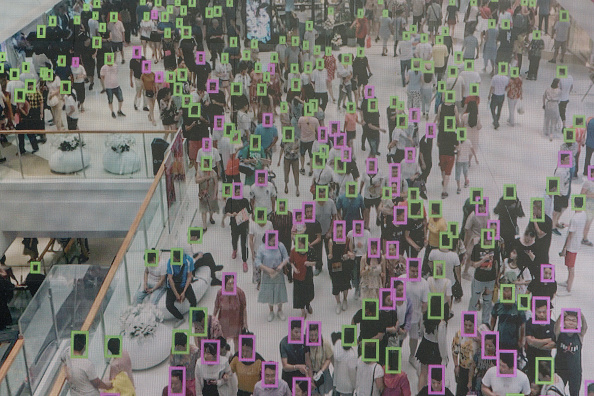
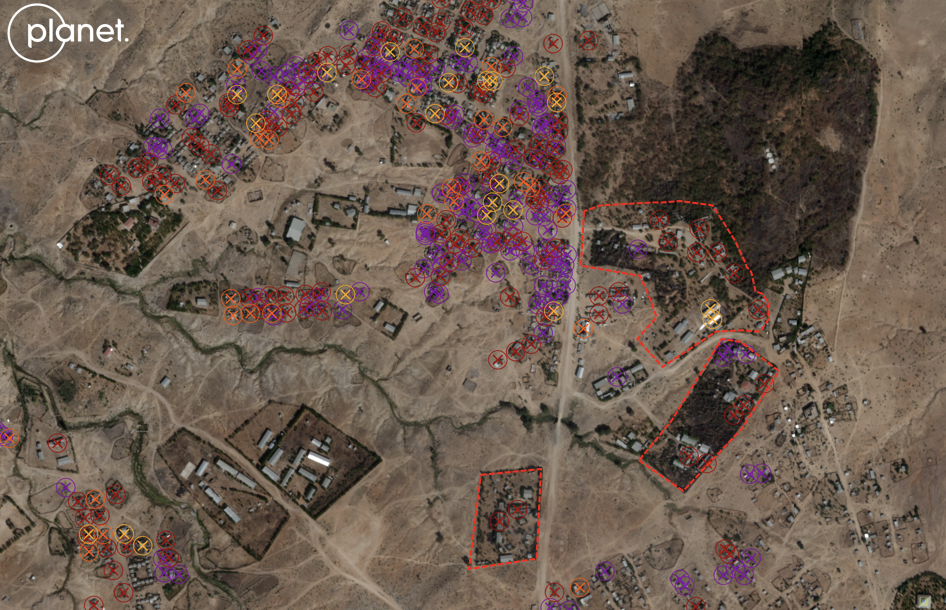
New and emerging digital technologies – including social media platforms, artificial intelligence (AI), geospatial technology, facial recognition and surveillance tools – are rapidly reshaping our interactions in the modern world. These technologies can both enable and prevent mass atrocity crimes.
In some cases, digital technologies have been exploited to spread disinformation, create information silos and incite violence, particularly against marginalized ethnic or religious communities. They have also been used to surveil populations, silence civil society and target human rights defenders and political opponents. At the same time, these technologies hold powerful potential for atrocity prevention by documenting early warning signs, promoting inclusive dialogue, strengthening human rights monitoring and amplifying calls for action.
Despite the UN and a variety of stakeholders devoting increasing attention on this issue, multilateral institutions, governments, regional bodies and private companies continue to face challenges in addressing both the threats and opportunities posed by digital technologies.
The Global Centre for the Responsibility to Protect is working to close this gap by integrating digital technology analysis into country-specific monitoring and advocacy and by promoting a more holistic approach to global digital governance. We advocate for decision-makers to adopt an atrocity prevention lens when developing and implementing technology-related norms and policies.
The Global Centre, with the support of the EU, hosted an event and published a policy brief examining how digital technologies can both increase the risk of mass atrocity crimes and serve as critical tools for preventing their perpetration, strengthening human rights monitoring and facilitating justice and accountability. The brief explores a range of technologies and how their use can be shaped by factors such as misinformation campaigns and internet shutdowns targeting vulnerable populations.
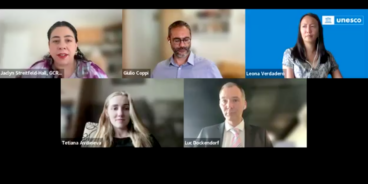
The Global Centre has also joined Access Now in hosting an online roundtable discussion on the UN Secretary-General’s Protection of Civilians Report (PoC Report). Joined by experts from UNESCO, the Ambassador for Cybersecurity and Digitalisation of Luxembourg and Digital Security Lab Ukraine, the event unpacked the PoC Report through a multistakeholder perspective.
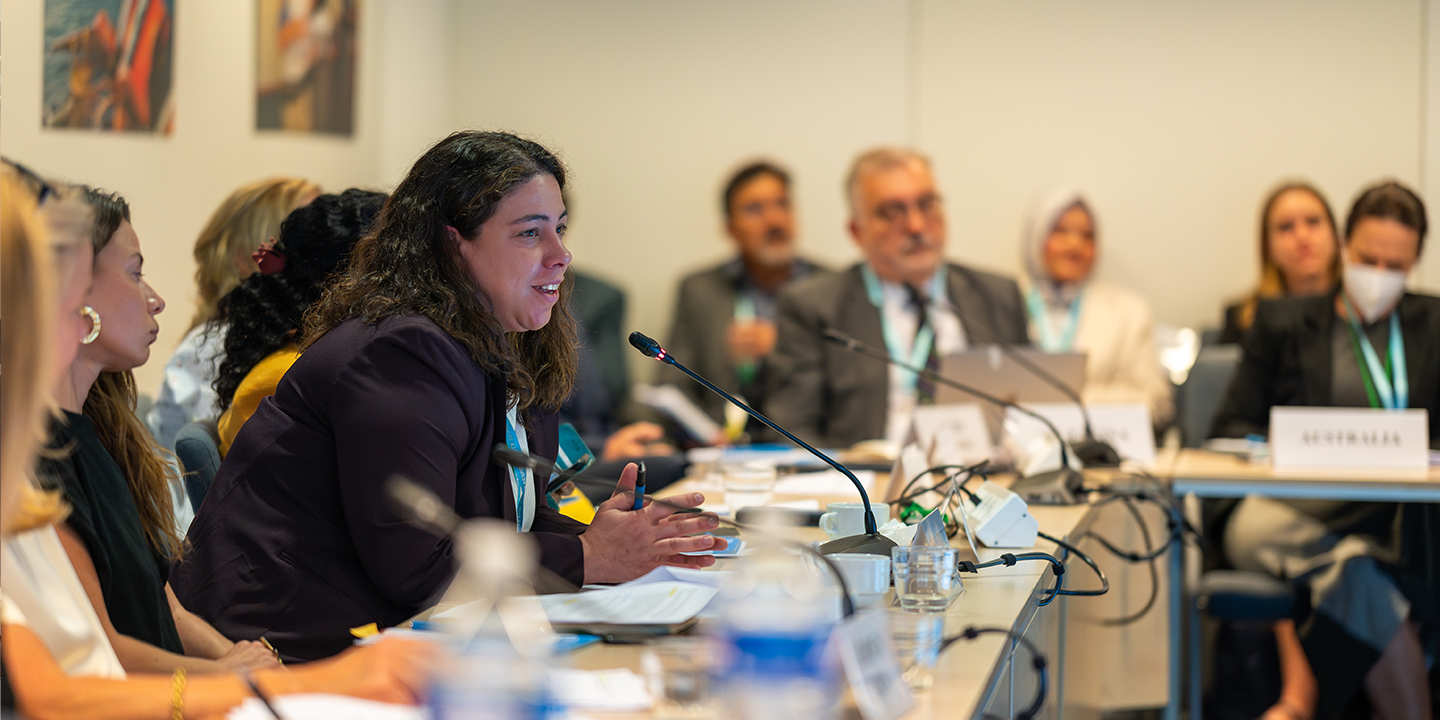
On 24 September 2026 the Global Centre joined the UN Human Rights Innovation and Analytics Hub and the Permanent Missions of Luxembourg, Estonia, the Republic of Korea, Spain and Switzerland to the UN for a high-level discussion on atrocity prevention and human rights-based approaches to AI. As AI and other digital technologies rapidly evolve, they can create new risks to human rights while also offering opportunities to help identify and mitigate atrocity risks. Bringing together government and UN representatives, the discussion explored how policymakers can ensure that human rights and atrocity prevention are considered in the development and governance of these technologies.
In addition to the policy brief, the Global Centre has published several issues of our weekly Atrocity Alert on various topics related to the use of new and emerging digital technologies in atrocity situations. Examples include our work on:

Ralph Bunche Institute for International Studies
The Graduate Center, CUNY
365 Fifth Avenue, Suite 5203
New York, NY 10016-4309, USA