9 September 2026
Atrocity Alert
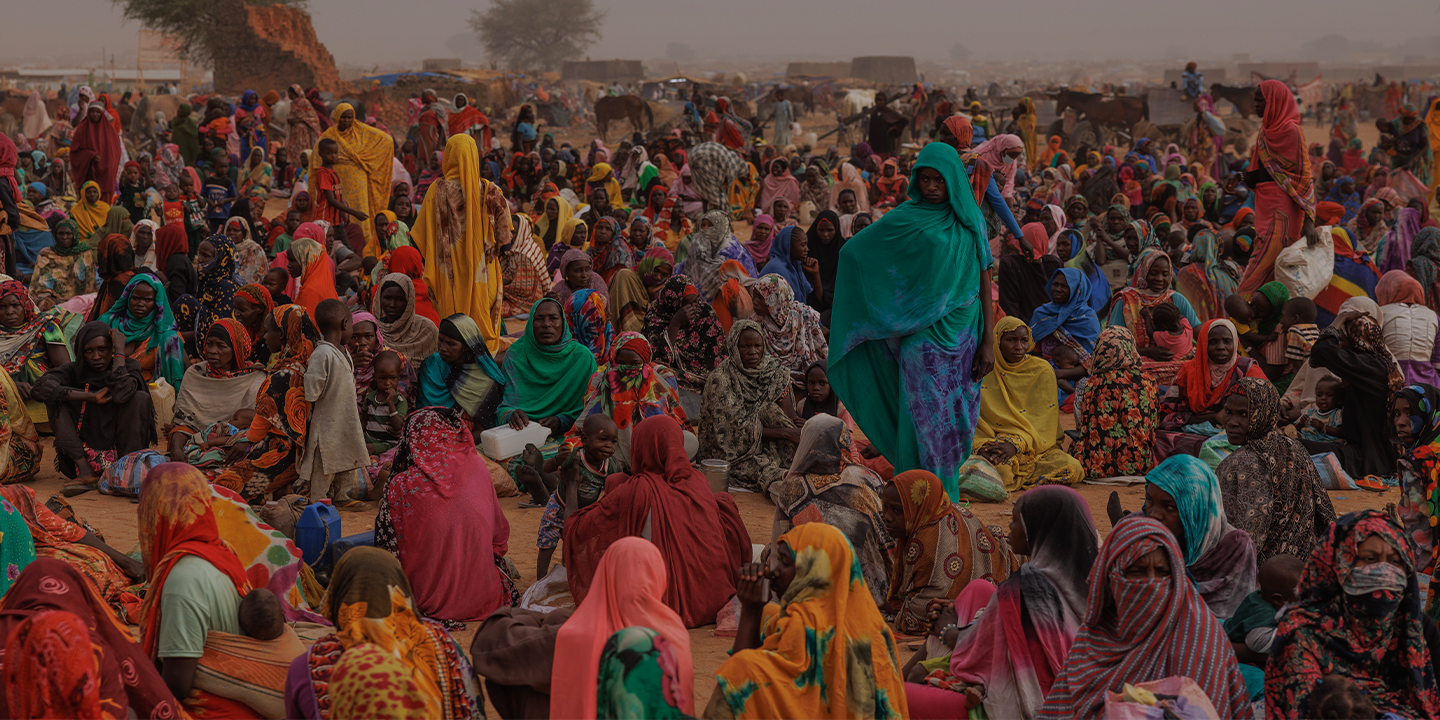
After eighteen months under a tightening siege, El Fasher, the capital of North Darfur, has fallen to the paramilitary Rapid Support Forces (RSF) following days of bombardment and the withdrawal of the Sudanese Armed Forces and allied groups. The RSF’s takeover has unleashed a wave of atrocities, with credible reports pointing to targeted ethnic violence, extrajudicial killings and executions – some amounting to war crimes, crimes against humanity and/or acts of genocide. Entire neighborhoods have been destroyed, hospitals reduced to rubble and humanitarian access completely severed. Tens of thousands of civilians are now at imminent risk of mass killings and ethnic cleansing.
On 27 October UN High Commissioner for Human Rights Volker Türk said that his office had received reports of “the summary execution of civilians trying to flee, with indications of ethnic motivations for killings, and of persons no longer participating in hostilities.” Satellite imagery reveals house-to-house clearance operations and evidence consistent with the presence of human bodies near RSF vehicles – grim proof of atrocities unfolding in real time.
Since the siege began, the international community has watched Sudan’s conflict escalate without taking effective or decisive action. Despite repeated warnings from the UN, human rights organizations and Sudanese civil society that the RSF’s capture of El Fasher could trigger widespread and deliberate attacks on civilians, there has been no coordinated effort to protect populations, ensure accountability or halt the flow of weapons fueling these crimes. The UN Security Council’s paralysis – driven by geopolitical rivalries and political indifference – has once again left the people of Darfur abandoned to face mass atrocities alone.
This is not only a humanitarian emergency; it is an atrocity crisis deepening by the day. The fall of El Fasher marks a critical point of no return. Without immediate and decisive action, the city could soon become the site of another mass atrocity etched into Darfur’s tragic history. It is unacceptable for the world to stand by once again as civilians are hunted, starved and killed.
We therefore call upon the international community to urgently:
Every government, every leader and every institution has the capacity – and the responsibility – to act. Whether through diplomacy, humanitarian assistance or public pressure, there are avenues to make a difference.
Silence and inaction are choices. In the face of such horror, they are indefensible.
Ralph Bunche Institute for International Studies
The Graduate Center, CUNY
365 Fifth Avenue, Suite 5203
New York, NY 10016-4309, USA