Understanding and maximizing the impact of the UN human rights pillar in protracted atrocity crises
As the UN Human Rights Council (HRC) marks its twentieth anniversary, the multilateral protection architecture faces growing political, institutional and financial pressures. Established to strengthen the UN’s capacity to prevent and respond to serious human rights violations and atrocity crimes, the HRC has developed a range of monitoring, investigative and accountability mechanisms aimed at documenting abuses, combating impunity and supporting prevention efforts. Yet important questions remain regarding how these tools contribute to political action and protection outcomes in situations of ongoing crisis.
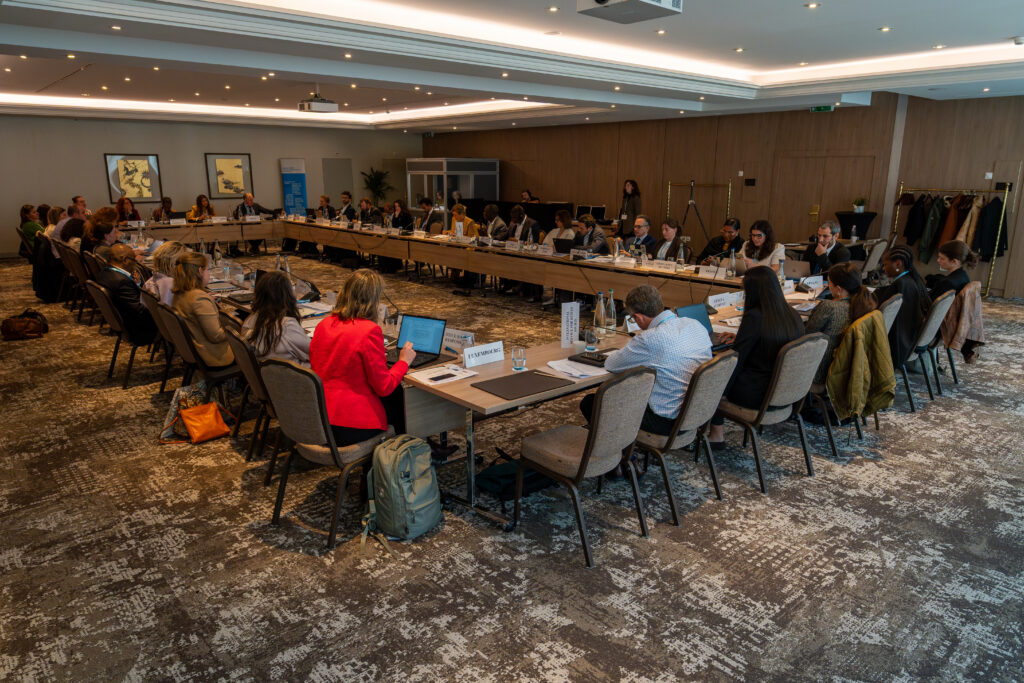
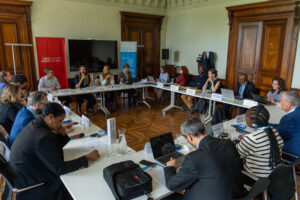
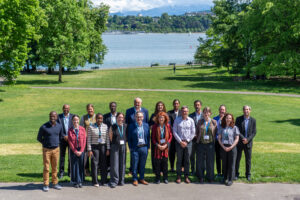
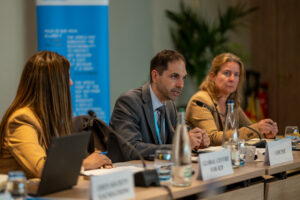
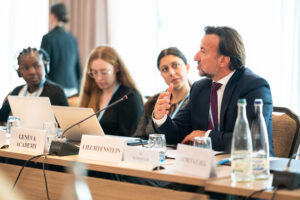
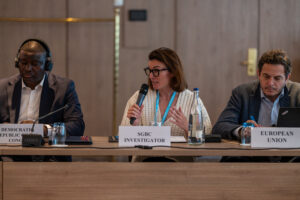
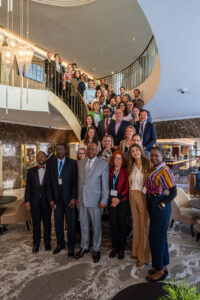
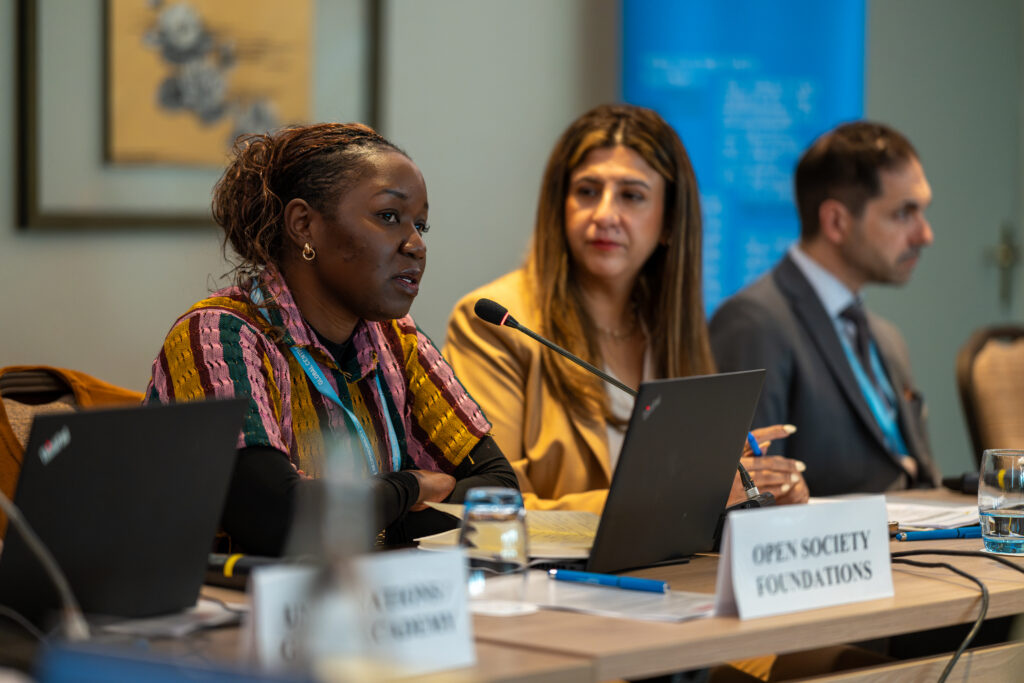
Against this backdrop, on 7 and 8 May 2026 the Global Centre for the Responsibility to Protect, with the support of the Open Society Foundations and the Geneva Academy of International Humanitarian Law and Human Rights, convened two complementary consultations in Geneva focused on the Democratic Republic of the Congo (DRC) and Sudan. Together, the consultations examined the role of UN human rights mechanisms within the broader protection architecture and explored how their findings can more effectively inform prevention, protection and accountability efforts.
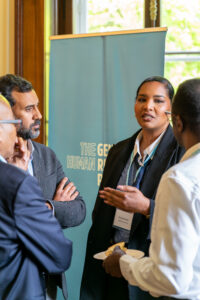
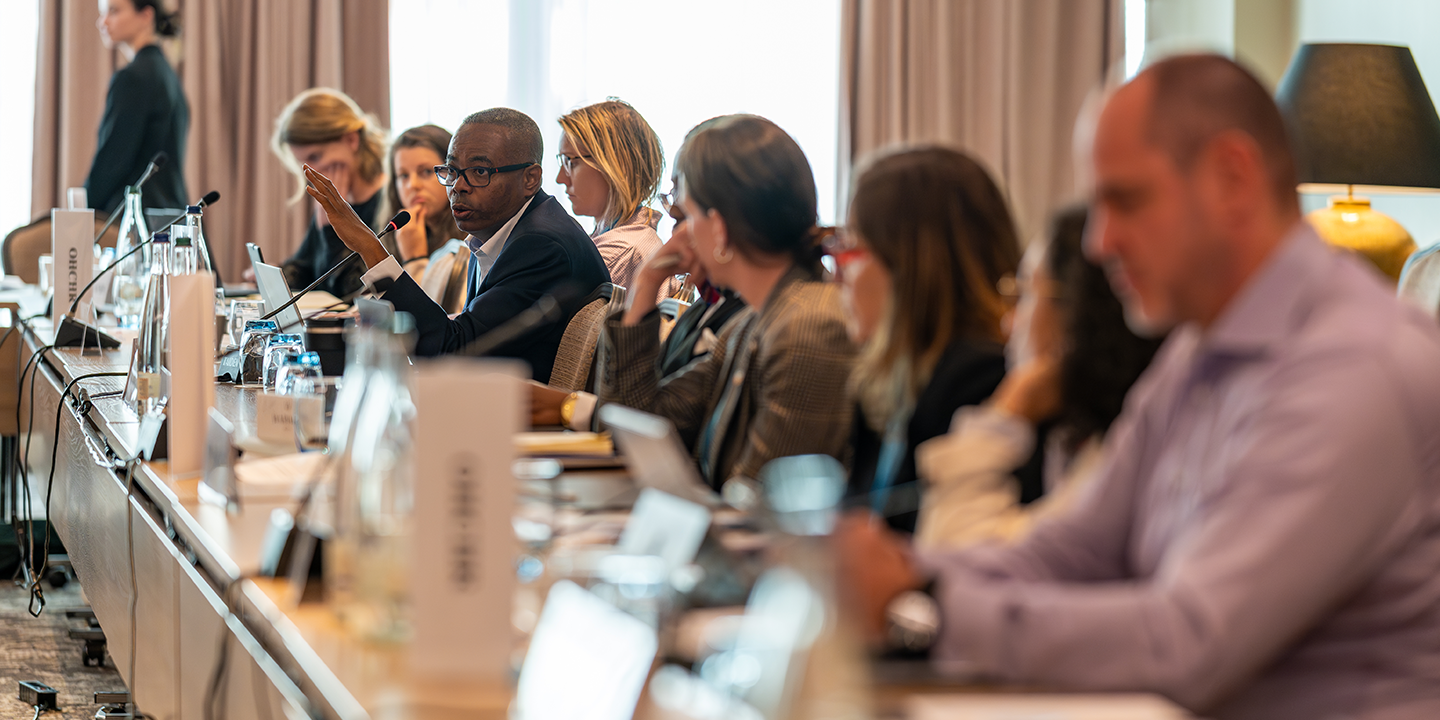
The first consultation brought together civil society organizations, representatives of affected communities and technical experts to reflect on experiences engaging with multilateral protection mechanisms. The second convened diplomats, UN officials, investigators and human rights defenders to assess the contribution of the human rights pillar within the wider UN system. Across both discussions, participants reflected on the challenges and opportunities facing multilateral protection efforts amid increasing geopolitical fragmentation and resource constraints.
Key themes included:
-
-
- The continued importance of UN human rights mechanisms in contexts where national institutions are unable or unwilling to provide protection and accountability.
- Persistent challenges in translating evidence and early warning into sustained political engagement and preventive action.
- The role of investigative and monitoring mechanisms not only in supporting accountability, but also in informing prevention and deterrence efforts.
- The importance of strengthening connections between Geneva-based human rights processes and political decision-making across the wider UN system.
- The need to ensure meaningful participation of civil society actors and affected communities in international protection efforts.
-
Detailed summaries of both consultations are available to download below and read on our Publications page.