1 April 2026
Atrocity Alert
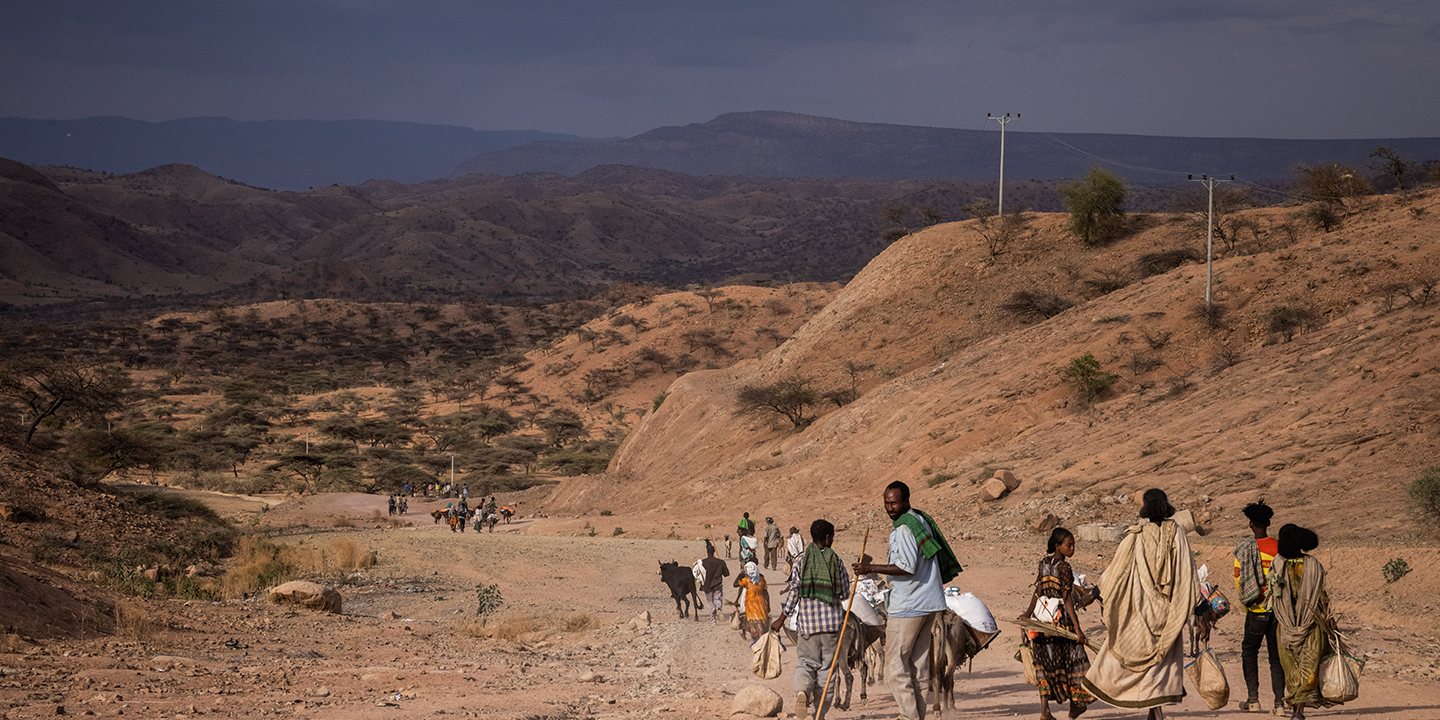
We, the undersigned human rights and humanitarian organizations, issue this statement with urgency and a warning on the rapidly deteriorating situation for civilians across Ethiopia. Ongoing and unresolved conflicts, entrenched impunity and escalating regional dynamics are driving a dangerous resurgence of violence and placing civilian populations at grave risk of atrocities yet again.
Ethiopia stands on the brink of renewed large-scale conflict amid mounting indications of escalating violence and shrinking space for de-escalation. The Office of the UN High Commissioner for Human Rights (OHCHR) has received reports of heavy weapons use, drone strikes and arbitrary detentions. Against this backdrop, on 11 February the UN High Commissioner for Human Rights, Volker Türk urged all parties in the Tigray crisis to exercise restraint, step back from escalation and recommit to political dialogue and confidence-building measures. In parallel, the African Union (AU) Commission Chairperson has called for “maximum restraint” by all parties and offered to mediate outstanding disputes. However, the Ethiopian federal government has reportedly rejected this offer and requested that the AU refrain from intervening, further narrowing avenues for de-escalation.
Despite repeated international calls for peace, accountability and meaningful political dialogue, there has been little meaningful progress toward durable conflict resolution in Tigray, Oromia or Amhara. Survivors of war crimes, crimes against humanity and ethnic cleansing committed by the federal government and its allied forces during the war in Tigray continue to face insurmountable barriers to justice, while alleged perpetrators remain shielded from scrutiny. Without sustained and genuine engagement by the international community, Ethiopia risks relapsing into widespread violence.
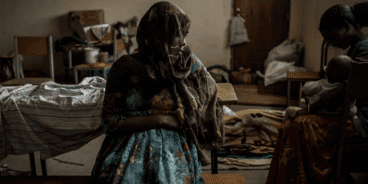
In Tigray, civilians face ongoing abuses, including arbitrary detention, sexual and gender-based violence, enforced disappearances, continued internal displacement, food insecurity and starvation and severe restrictions on access to essential services. Communities were left exposed to this by the failure to fully and credibly implement the 2022 Cessation of Hostilities Agreement (CoHA), the exclusion of key conflict actors, such as the government of Eritrea, and the lack of consistent human rights monitoring. Recent clashes following internal divisions within the Tigray People’s Liberation Front reflect the fragility of the situation. Continued limitations placed on banking, telecommunications, fuel and humanitarian access by the federal government have deepened civilian suffering and undermined prospects for recovery.
In Oromia, fighting between government forces and the Oromo Liberation Army continues, amid widespread reports of extrajudicial killings, mass arrests, property destruction, forced military conscription, enforced disappearances and collective punishment of civilian populations. Civilians are routinely subjected to arbitrary detention and movement restrictions, while humanitarian access and independent monitoring remain severely constrained. The absence of monitoring by independent human rights organizations and inclusive political dialogue has further entrenched cycles of violence and retaliation in the region.
In Amhara, renewed clashes between federal forces and ethnic Amhara Fano militias have resulted in escalating civilian harm, including drone and air strikes, unlawful killings, mass detentions, sexual violence and the erosion of basic protections. As Fano forces have made territorial gains, the federal government has responded with an increasingly heavy-handed security approach, heightening the risk of further atrocities in the absence of meaningful de-escalation efforts or accountability mechanisms.
These internal crises are further compounded by destabilizing regional dynamics. Rising tensions between Ethiopia and Eritrea over access to the Red Sea, coupled with increasingly inflammatory rhetoric, largely led by the federal government, are exacerbating fears of cross-border escalation. At the same time, credible reporting has highlighted deeply concerning allegations that Ethiopian authorities are hosting a training facility in Benishangul-Gumuz for fighters affiliated with Sudan’s Rapid Support Forces (RSF), a paramilitary group widely accused of committing atrocity crimes, including genocide, in Darfur. According to multiple sources, this facility is reportedly supported financially and logistically by the United Arab Emirates (UAE).
These allegations, while denied by the UAE, point to a dangerous regionalization of conflict and underscore the growing role of external actors in fueling instability and atrocity risks. Such involvement also jeopardizes peace efforts, exacerbating violence and imperiling civilians across Ethiopia and the wider region.
Ethiopians are facing a deeply fragile situation, marked by a high risk of renewed and expanded conflict, as well as the commission of atrocity crimes. The continued and aggressive erosion of the civic space, restrictions on independent reporting and silencing of victims, and the willful termination of accountability mechanisms and lack of meaningful transitional justice processes, further obscures the scale of violations and weakens early warning and prevention efforts.
In light of these alarming developments, we urge states and international actors to:
Signatories:
Ralph Bunche Institute for International Studies
The Graduate Center, CUNY
365 Fifth Avenue, Suite 5203
New York, NY 10016-4309, USA