18 March 2026
Atrocity Alert
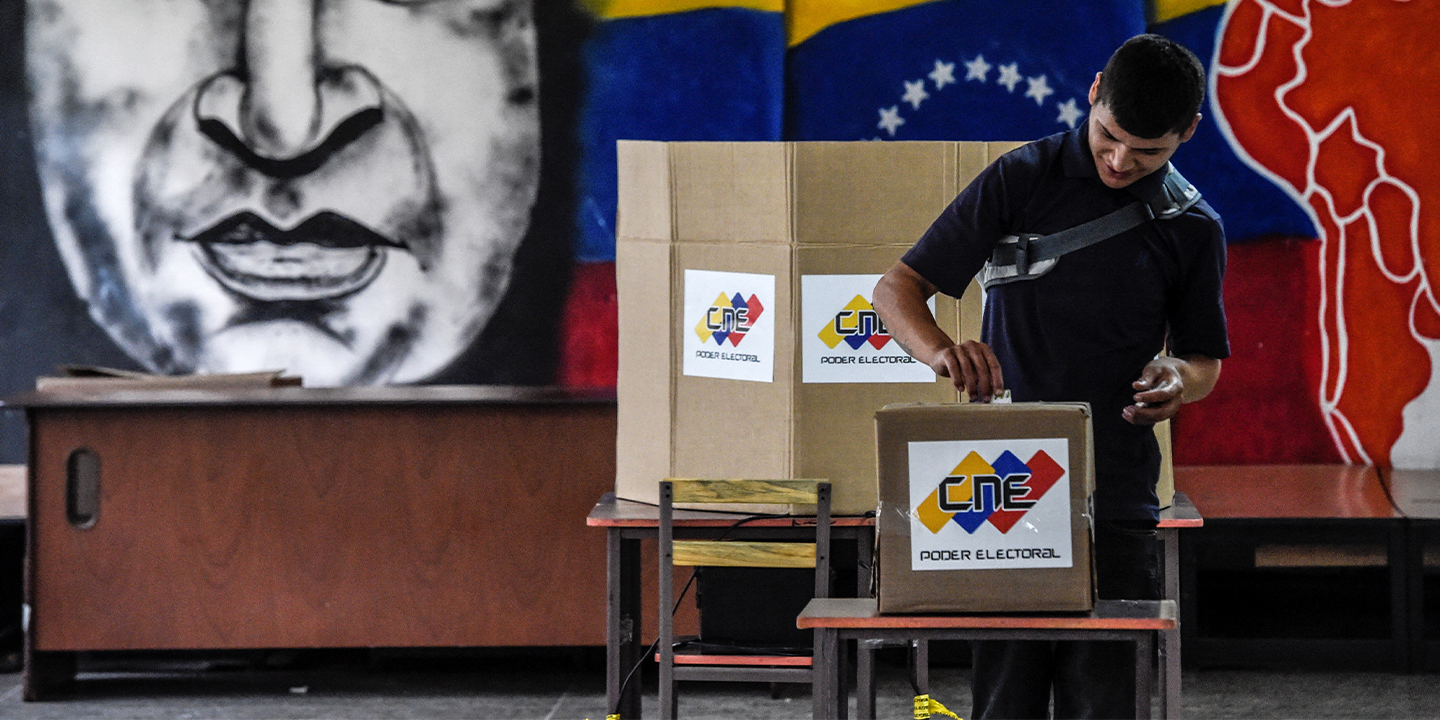
Genuine and credible elections present a crucial opportunity to reaffirm democratic norms, uphold the rule of law and ensure that people’s voices are heard. Yet, all too often elections shift from being a positive expression of democratic will to flashpoints for political violence and polarization. In 2024, a record number of people voted in elections – with more than 60 countries, representing nearly half of the world’s population, electing local, national and international representatives. However, many elections were marred by intimidation, violence and serious human rights violations, severely undermining the right to vote and to be elected.
This policy brief draws on insights from a June 2024 event co-hosted by the European Union and the Global Centre for the Responsibility to Protect. It examines how electoral processes, particularly when held in conflict-affected, repressive or polarized environments, can exacerbate existing tensions and increase the risk of serious human rights violations and atrocity crimes. The brief outlines long-standing structural vulnerabilities and short-term triggers that often emerge throughout the electoral process.
A rights-respecting, inclusive and transparent electoral process is essential not only for electoral integrity but also for preventing identity-based violence and atrocity crimes. The policy brief provides concrete recommendations to help national and international actors prevent and respond to election-related violence and atrocity risks.
Ralph Bunche Institute for International Studies
The Graduate Center, CUNY
365 Fifth Avenue, Suite 5203
New York, NY 10016-4309, USA